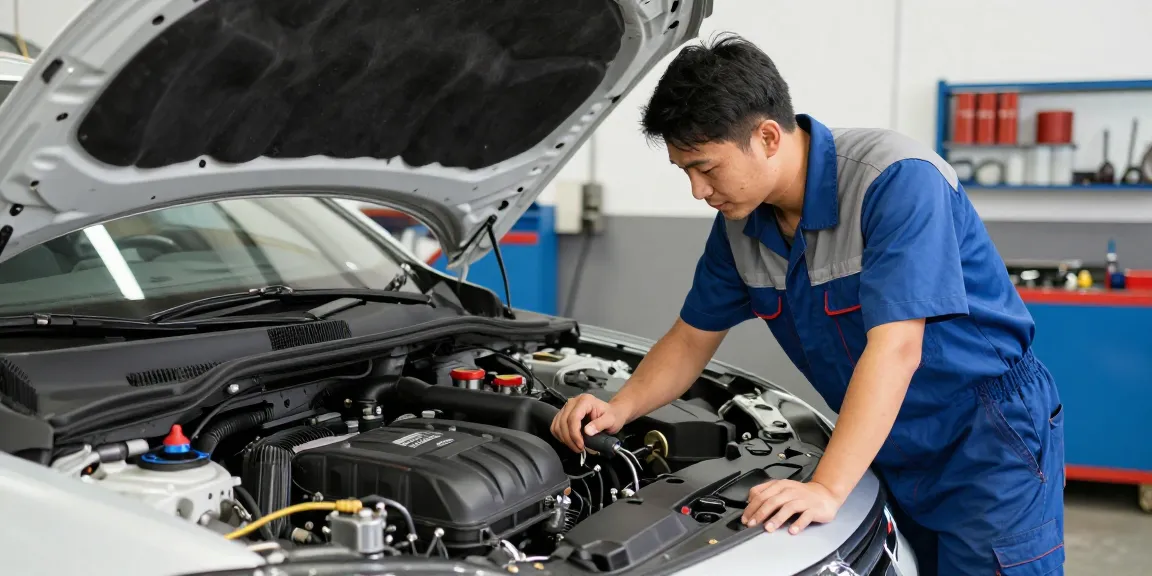
Understanding Car Air Conditioning Smells: What They Indicate
Car air conditioning systems play a vital role in ensuring comfort during hot weather, but they can often produce undesirable smells that signal underlying problems. Recognizing these odors early can save you from costly repairs and ensure the efficiency of your vehicle’s climate control system. If your air conditioning emits strange scents, knowing the potential causes and necessary actions can help you maintain a healthy environment inside your car. When exploring options, car air conditioning smells bad can provide valuable insights into not just odors, but broader vehicle maintenance issues.
Common Causes of Bad Smells in Car Air Conditioning
- Mold and Mildew: Moisture can accumulate in the AC evaporator, breeding mold and mildew.
- Dust and Dirt: A build-up of dirt within the system can cause a musty smell when the air is turned on.
- Burning Smell: This may indicate a failing electrical component or overheated wiring.
- Refrigerant Leak: A sweet odor might suggest that the refrigerant used in your AC system is leaking.
Health Risks Associated with Bad Air Conditioning Smells
Not only do bad smells coming from your car’s air conditioning indicate potential mechanical issues, but they can also pose health risks. Mold and mildew can trigger allergic reactions and respiratory issues, particularly in sensitive individuals. Additionally, certain odors like those from a refrigerant leak can be harmful in high concentrations. It’s essential to address these smells promptly to safeguard both your vehicle and your health.
How to Identify Specific Air Conditioning Issues
Identifying the specific source of unpleasant smells can often be done through careful observation and basic troubleshooting. Start by inspecting the air filters for dirt or blockages, as they should be replaced regularly. Also, check for moisture accumulation around the AC system components. Making a habit of regular maintenance can prevent bad smells from developing.
When to Consult a Trusted Local Mechanic
If you’re not able to resolve the odors through basic maintenance, it’s crucial to consult a local mechanic who specializes in air conditioning repairs. Recognizing the right time to seek professional help can prevent minor issues from escalating and potentially causing more significant damage to your vehicle’s air conditioning system.
Signs Your Car Air Conditioning Needs Professional Attention
- Continuous foul smell despite cleaning the system.
- Weak airflow, indicating potential blockages.
- Unusual sounds, such as hissing or clicking.
- Leaks or pooling water in unusual areas, indicating drainage issues.
How a Local Mechanic Diagnoses Air Conditioning Problems
A licensed mechanic will typically start by inspecting the system for visible signs of wear and tear. Diagnostics may include checking the refrigerant levels, testing electrical components, and evaluating the evaporator. Their expertise ensures that they can identify issues efficiently, providing you with a detailed report of any required repairs.
Benefits of Hiring a Licensed Local Service Provider
Choosing a licensed and insured local service provider guarantees that you’re working with a professional who adheres to current industry standards. It ensures that you receive quality repairs and maintenance, ultimately saving you money in the long run. Moreover, local mechanics often build relationships with their community, fostering trust and reliability in their services.
DIY Tips for Maintaining Your Car’s Air Conditioning System
While consulting professionals is crucial, there are several preventive measures you can take yourself to maintain your car’s air conditioning system. Regular checks and basic upkeep can go a long way in enhancing system performance.
Simple Checks You Can Perform Yourself
- Regularly replace or clean air filters to prevent airflow restrictions and malodor.
- Inspect the AC drainage tube for clogs to avoid water buildup.
- Run the AC on high for a few minutes once a week to keep the system lubricated.
- Maintain the vehicle’s engine cooling system to support optimal AC performance.
When to Avoid DIY Repairs: A Professional Approach
Certain air conditioning problems may require specialized tools and knowledge to diagnose and repair effectively. If you encounter issues like refrigerant leaks or electrical malfunctions, it’s best to avoid DIY fixes and call a professional. Attempting complex repairs without the proper training can result in further damage and higher repair costs.
Seasonal Tips for Optimal Air Conditioning Performance
Make it a habit to prepare your AC system for seasonal changes by having it inspected before summer and winter. This proactive approach ensures efficiency during peak usage times and helps avoid unpleasant surprises down the line.
Understanding the Costs Involved in Air Conditioning Repairs
Knowing what to expect in terms of costs can help you budget better for your vehicle’s maintenance and emergency repairs. Various factors influence the overall price, including the type of repairs needed, the parts required, and labor costs.
Typical Pricing for Car Air Conditioning Services
- Regular maintenance services: $75 – $150
- Refrigerant recharge: $100 – $250
- Compressor replacement: $400 – $1,200
- Evaporator replacement: $400 – $950
Factors Influencing Repair Costs: Duration and Materials
The duration of the repair can significantly influence the final bill, as more complex issues will require a longer repair time. Additionally, the cost of parts can vary based on the make and model of your vehicle, making it essential to obtain a detailed estimate before proceeding with repairs.
Emergency Service Costs vs. Regular Maintenance Prices
Emergency repairs typically come with a higher price tag compared to scheduled maintenance services due to the urgency and potential for additional problems arising from delays. Plan your vehicle’s maintenance routine to avoid emergency repair needs whenever possible.
Choosing the Right Mechanic: Qualities to Look For
Having a reliable mechanic can save you time, money, and headaches down the road. Understanding what qualities to look for can make a significant difference in the quality of service received.
Reading Customer Reviews for Local Vehicle Service Shops
Don’t just rely on advertisements; take the time to read customer reviews and testimonials. This first-hand information can provide insight into the quality of service offered by a local mechanic. Pay close attention to comments about pricing, reliability, and customer service.
Verifying Licensing and Insurance: What You Need to Know
Before hiring a mechanic, confirm that they are licensed, bonded, and insured. This verification protects you from potential liabilities associated with any accidents or damage that might occur during repairs.
The Importance of Local Community Reputation in Mechanics
Local mechanics with a strong community reputation are often more reliable and trustworthy. Their longstanding presence in the community typically indicates that they value good service and customer satisfaction.